E10 skip alternative rubbish services for Leyton estates
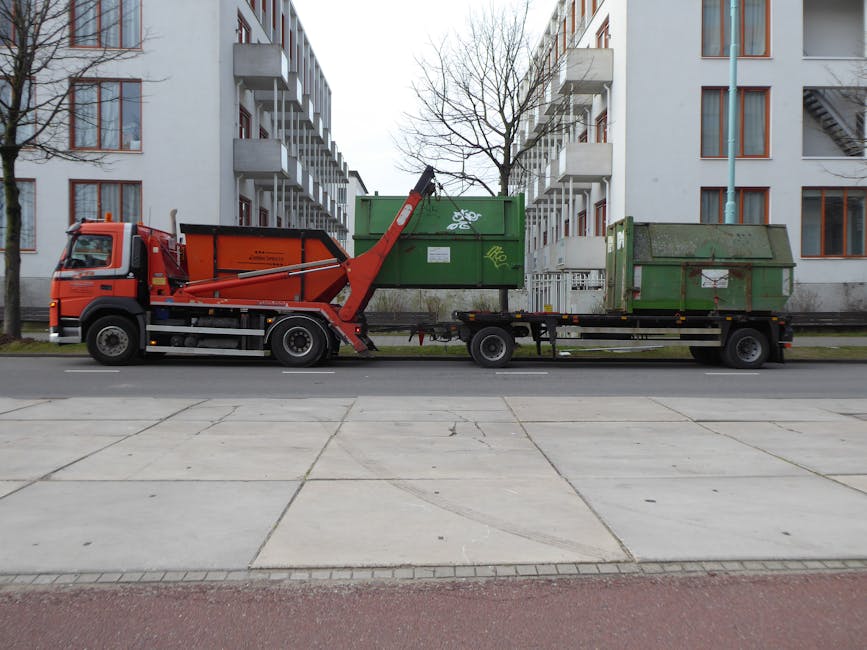
If you live, manage, or maintain estates in Leyton, you already know the headache: waste builds up quickly, access can be awkward, and a skip is not always the neatest or easiest answer. That is where E10 skip alternative rubbish services for Leyton estates come in. They can give you a cleaner, faster, often more flexible way to clear rubbish without blocking a parking bay or turning a shared courtyard into a mini building site.
In practice, this covers things like man and van collections, grab hire, wait-and-load arrangements, house and estate clearance, and same-day removal for bulky waste. The right option depends on what you are clearing, how much access you have, and how quickly it needs to disappear. Let's face it, some estates in E10 are simply not built for a traditional skip sitting outside for days. This guide breaks down what works, what to avoid, and how to choose a service that feels sensible rather than stressful.
Quick take: skip alternatives are often best when access is tight, the load is mixed, the job is urgent, or you want a tidier, more controlled collection process. The trick is matching the service to the waste, not the other way round.
Why E10 skip alternative rubbish services for Leyton estates Matters
Estates in Leyton tend to have a mix of access needs, resident foot traffic, parked cars, narrow turns, shared entrances, and the occasional "who left this sofa here?" moment. A standard skip can work beautifully in the right spot, but on many estates it creates friction straight away. It may block access, look untidy, or simply be awkward to position safely.
That is why E10 skip alternative rubbish services for Leyton estates matter so much. They give you options that fit the site rather than forcing the site to fit the skip. For landlords, managing agents, resident associations, and tradespeople, that usually means fewer delays and fewer complaints. For residents, it can mean a quicker clean-up with less disruption outside the front door.
There is also a practical financial angle. If you only need waste removed once, or if the rubbish is bulky but not enough to justify a skip sitting around, alternatives can be more efficient. You pay for the actual collection model you need, rather than a one-size-fits-all container. That sounds obvious, but it is one of those details people often overlook until the pavement is already crowded and everyone is impatient.
On busy days, especially around move-outs or refurbishment periods, estates can go from tidy to cluttered surprisingly fast. A collection service that can arrive, load, and leave can make all the difference. No lingering eyesore. No waiting around for a permit issue. Just gone. Lovely, really.
How E10 skip alternative rubbish services for Leyton estates Works
The basic idea is straightforward: instead of dropping a skip and leaving it in place, the waste is removed by a team, a vehicle, or a loading system designed to suit the space and the job.
Common service models
- Man and van rubbish removal: A team arrives, loads the waste for you, and takes it away the same visit. Good for mixed household waste, clutter, and bulky items.
- Wait-and-load: A vehicle waits while you or the team load the waste quickly. Useful where permits or long roadside stays are inconvenient.
- Grab hire: A lorry with a grab arm collects large volumes, usually better for heavier, loose material or site waste where access is workable.
- Clearance services: Best for full or partial clearance of flats, communal areas, garages, lofts, offices, or estate rooms.
For Leyton estates, the key question is not simply "What is cheapest?" It is "What will actually work on site without turning into a nuisance?" That can depend on lift access, stairwells, gated entrances, loading bays, bin stores, and whether the waste is inside a flat or already bagged outside.
A typical process is refreshingly simple. You describe the waste, share photos if asked, agree a collection window, and the team turns up ready to assess and load. In our experience, the smoother jobs are the ones where the client gives a realistic description early on. A bit of truth saves a lot of back-and-forth later. Mixed waste, broken furniture, plasterboard, garden cuttings, white goods, and confidential paperwork all behave differently in the real world.
If the waste is heavy or awkward, the service provider may recommend a different method. For example, builders' rubble may be better suited to builders waste removal or construction waste disposal rather than a general household clearance. That sort of routing is helpful, not pushy. It usually means the load will be handled more safely and efficiently.
Key Benefits and Practical Advantages
The real value of skip alternatives is not just convenience. It is how much easier they make a site clear-up feel.
- Less disruption: No skip sat on the road for days, no awkward neighbours stepping around it, and fewer complaints from residents.
- Better for tight access: Many E10 estates have limited parking, narrow shared driveways, or entrances that are simply not suitable for a skip.
- Faster turnaround: Same-day or next-day collection can be a lifesaver when rubbish needs to go before contractors arrive or tenants move in.
- More flexible loading: The team can handle awkward items, stairs, and mixed loads, which saves a lot of manual effort.
- Potentially better value for smaller jobs: If you do not need a container sitting on site, you may avoid paying for unused capacity.
- Cleaner presentation: Estates stay more presentable, which matters more than people admit. First impressions do count.
There is another subtle advantage: control. A collection service allows you to time waste removal around residents, contractors, and site rules. That can be far easier than coordinating a skip delivery and hoping the space is still clear. With a collection model, you choose the moment. Not perfect, but very useful.
Expert summary: For Leyton estates, skip alternatives are often at their best where access is limited, waste is mixed, and disruption needs to be kept low. The best option is usually the one that reduces friction on the ground, not just the one that looks cheapest on paper.
Who This Is For and When It Makes Sense
This type of service is not for every job, and that is fine. It makes sense when the practical constraints matter more than the container itself.
Good fits for estates and shared housing
- Estate managers: When communal bin areas overflow, fly-tipping appears, or bulky waste has accumulated after refurbishments.
- Landlords and letting agents: Ideal after tenant changes, end-of-tenancy clear-outs, or pre-lets that need a fast reset.
- Resident associations: Useful for organised clear-ups, communal store room removals, or furniture disposal.
- Contractors and trades: Handy when works produce small to medium volumes of waste and there is no safe place for a skip.
- Homeowners in estates: Good for lofts, garages, sheds, or bulk items that need removing without fuss.
It also makes sense if the waste is spread across several points, such as a flat, a basement store, and a front path. A collection team can handle that movement more naturally than a skip ever could. To be fair, lifting and carrying still has to be done, but at least it is done once, in one controlled visit.
On the other hand, if you have a large, heavy, ongoing stream of inert material from a renovation project, a traditional skip may still be the better answer. There is no prize for avoiding skips at all costs. The aim is simply to use the most practical method for the job in front of you.
Step-by-Step Guidance
If you are arranging E10 skip alternative rubbish services for Leyton estates, the cleanest results usually come from a simple process. Nothing fancy. Just a bit of planning.
- Identify the waste type. Separate general rubbish, furniture, white goods, garden waste, construction debris, and hazardous items. The more clearly you define it, the smoother the quote and collection.
- Check access. Measure gate widths, note stair access, lifts, parking restrictions, and whether a vehicle can stop nearby.
- Estimate the volume. A rough idea is enough at first. One or two wardrobes is very different from a full flat clearance.
- Ask for the right service model. Man and van, wait-and-load, grab hire, or clearance service. Match the method to the site.
- Confirm what is included. Ask whether labour, loading, disposal, fuel, and VAT are all part of the price. It sounds dull, but it saves headaches.
- Prepare the waste. Bag loose items, stack furniture safely, and keep pathways clear. A little prep can shave time off the visit.
- Keep sensitive or restricted items separate. Things like confidential documents, fridges, paints, and chemicals often need special handling.
- Book a realistic time window. Estates run on real life, not perfect schedules. A generous window reduces stress.
A useful habit is to take a few quick photos before booking. One picture of the item pile, one of the access route, and one of any tight corners can tell an operator far more than a long email ever will. Tiny effort, big payoff.
If the job looks bigger than expected once the team arrives, a good provider should explain the next step clearly rather than forcing a rushed decision. That transparency matters. You want a collection partner, not a mystery.
Expert Tips for Better Results
Over the years, the jobs that go smoothly usually share the same habits. Nothing dramatic. Just disciplined basics.
- Be specific about the waste mix. A pile of "household junk" might include furniture, broken glass, electronics, and bagged rubbish. Each has different handling needs.
- Separate anything sharp or fragile. Broken mirrors and exposed nails are a nuisance for everyone.
- Use photos for estimates. This reduces guesswork and helps avoid a mismatch on the day.
- Ask about recycling and recovery. Many services sort what they collect, and that can be helpful if sustainability is part of your estate policy.
- Plan around resident peak times. Early mornings can be calmer on some estates; midday may be better on others. You know the rhythm of your site.
- Have a backup space ready. If access is tight, a staging point near the entrance can speed things up a lot.
There is also a human tip that sounds small but makes a difference: tell residents what is happening. A brief notice or message can stop the usual "What's that lorry doing here?" reactions. People cope better when they know the plan.
One more thing. If the waste includes items like old mattresses, broken sofas, or a fridge that has been sitting around smelling faintly of damp and regret, use a dedicated disposal route rather than guessing. Special items are special for a reason.
You may also find it useful to combine services. For example, a flat clearance may be followed by house clearance or garage and loft clearance depending on where the clutter is hiding. And yes, clutter does hide. Sneakily.
Common Mistakes to Avoid
Most problems with skip alternative rubbish services are not complicated. They are usually planning mistakes, or assumptions made too early.
- Choosing the service before checking access: A grab lorry is no help if the site cannot be reached safely.
- Underestimating waste volume: "A few bags" can mysteriously become a trailer-full once the cupboards are opened.
- Mixing restricted materials with general waste: Hazardous items need separate handling.
- Forgetting estate rules: Some sites have loading restrictions, quiet periods, or parking controls that must be respected.
- Not confirming labour: If you need items carried down stairs or from multiple rooms, check what is covered.
- Leaving loose debris everywhere: A tidy pile is quicker, safer, and often cheaper to remove.
A surprisingly common mistake is assuming all waste services are interchangeable. They are not. Builders' rubble, general rubbish, green waste, office junk, and confidential waste all have different handling needs. If in doubt, ask. The question feels small; the mistake it prevents can be large.
Another one: booking too late. On estates, timing is often tied to move dates, contractor access, or resident schedules. If you leave it until the last minute, you may end up paying more or accepting a less convenient collection window. Not ideal.
Tools, Resources and Recommendations
You do not need much to organise a good collection, but a few simple tools make the job easier.
- Phone camera: Use it to photograph the waste and the access route.
- Basic tape measure: Useful for checking whether bulky furniture or appliance items will fit through doors and gates.
- Waste sort labels or bags: Helps separate general rubbish, recyclables, and anything that needs special treatment.
- Site notes: A quick written note on entry codes, loading bays, resident restrictions, and contact names can prevent delays.
- Simple inventory: Especially useful for clearance jobs where multiple rooms or storage areas are involved.
If you are comparing service options, these pages can help you narrow things down: rubbish removal, man and van, wait and load skip hire, and grab hire services. Each one suits a slightly different type of estate job, so the best fit depends on access, weight, and volume.
For heavier or mixed site material, it may also be worth looking at site clearance or construction waste clearance. And if recycling is part of your decision-making, recycling and sustainability is a useful theme to keep in mind when choosing a provider.
Law, Compliance, Standards, or Best Practice
Waste removal in London has a compliance side that is worth taking seriously, even on smaller estate jobs. You do not need to become a legal expert, but you do need to use a provider that handles waste responsibly and understands UK expectations around transport, disposal, and safety.
For Leyton estates, that usually means checking a few basics:
- Licensed waste handling: The company should be able to manage waste through lawful disposal routes.
- Duty of care: Waste should be passed to an operator who can transport and dispose of it properly. If waste is fly-tipped after collection by an untrustworthy operator, that can become a problem for everyone involved.
- Safe loading practices: Clear paths, sensible lifting, and secure loading are part of good practice, especially on communal sites.
- Special waste handling: Fridges, electrical items, chemicals, paint, and some office materials may need separate treatment.
- Permit awareness: If a skip is still being considered for comparison, road placement and permit requirements should be checked with care. In many cases, that is one of the reasons people choose alternatives in the first place.
You should also think about resident safety. Communal estates need tidy working areas, predictable timings, and clear communication. It sounds like common sense, and mostly it is. But common sense is often what keeps a site running smoothly when ten different people are coming and going at once.
On the provider side, it is sensible to ask about insurance, health and safety practices, and how items are handled if they contain confidential or sensitive materials. For example, confidential shredding is relevant if your clearance includes paperwork from an office, housing office, or estate management room. Better to separate that early than deal with it later.
Options, Methods, or Comparison Table
If you are deciding between the main alternatives, this simple comparison can help. It is not a perfect science, but it does reflect how these services usually perform in real estate conditions.
| Option | Best for | Main advantage | Possible drawback |
|---|---|---|---|
| Man and van rubbish removal | Mixed household waste, bulky items, smaller estate clearances | Quick loading and flexible collection | Can be less suited to very large volumes |
| Wait-and-load | No-permit or short-stay roadside jobs | Fast turnaround without leaving a container on site | Needs the waste ready to load |
| Grab hire | Loose heavy waste, builder-style material, bigger outdoor loads | Efficient for volume and weight | Needs suitable access and space |
| Traditional skip | Longer projects with steady waste generation | Good for ongoing disposal over time | May be awkward on tight estates |
| Full clearance service | Flats, voids, garages, lofts, communal stores | Most hands-off and complete | May be more than you need for a small job |
If you are leaning toward a container but want something more controlled, it is also worth looking at enclosed and lockable skip hire. That can help on some estate settings where security or tidiness matters, although it still depends on access and space.
There is no single winner for every estate. The best option is the one that fits your volume, access, timing, and resident needs without creating extra work for you later. Simple, really. But not always easy.
Case Study or Real-World Example
Imagine a Leyton estate with a small service road, several parked cars, and a courtyard entrance that is already tight before anyone starts carrying old furniture out. A residents' committee wants to clear a pile of broken chairs, two wardrobes, some bagged household waste, and a few garden cuttings left after a communal tidy-up. A skip would technically fit, but it would block the route and attract complaints from day one.
Instead, the site chooses a man and van style rubbish removal collection. The team arrives at a quiet time in the morning, loads the furniture from a designated corner, clears the bags, and takes the garden waste in the same visit. The courtyard is back to normal before lunch, and nobody has to stare at a half-full skip for three days while trying to reverse past it.
Now compare that with a different job: a small refurbishment in a block where builders are stripping out a bathroom and generating heavier waste. In that case, a more site-focused solution such as builders skip hire or builders waste removal may be more suitable, especially if the material is heavy, awkward, and produced over several days.
The lesson is straightforward. The right service is not about habit. It is about fit. Once the fit is right, the job suddenly feels less chaotic. And that, honestly, is half the battle on a busy estate.
Practical Checklist
Use this quick checklist before booking a collection for an estate job in E10:
- Have you identified the type of waste clearly?
- Do you know roughly how much needs removing?
- Have you checked access, parking, gates, and stairways?
- Are there any special items such as fridges, paint, or confidential papers?
- Have you confirmed the preferred collection time?
- Have residents or contractors been informed if needed?
- Do you know whether loading is included?
- Have you asked how recyclable or reusable items are handled?
- Do you need a clearance, a wait-and-load service, or a grab vehicle?
- Have you made sure the provider can work within your estate rules?
A tidy checklist takes minutes. A badly planned clear-up can drag on for hours. Worth it? Absolutely.
Conclusion
E10 skip alternative rubbish services for Leyton estates are really about reducing friction. They help you clear waste in a way that suits the site, respects residents, and gets the job done without making the whole area feel like a construction zone. For many estate managers and householders, that is the smarter route.
If you are weighing up options, start with the waste type, the access, and how quickly it needs to go. Once those three things are clear, the right service usually becomes obvious. Not instantly, maybe, but close enough.
And if you are still undecided, that is normal too. The best waste solution is the one that makes the day easier, not harder. Small win, big relief.
Get a free quote today and see how much you can save.
Frequently Asked Questions
What are skip alternative rubbish services for Leyton estates?
They are rubbish collection and clearance options that remove waste without leaving a traditional skip on site. Common examples include man and van collections, wait-and-load services, grab hire, and full clearances.
Are skip alternatives better than a skip for estate blocks?
Often yes, especially where access is tight, parking is limited, or residents would be disrupted by a skip sitting outside. A skip still has its place, but alternatives can be cleaner and more flexible.
Can I use a man and van service for bulky items?
Yes, that is one of the main uses. Sofas, wardrobes, mattresses, appliances, and mixed bulky waste are all common loads. If the items are especially heavy or numerous, it is worth mentioning that before booking.
Do I need a permit for skip alternative rubbish services?
Usually not in the same way you might for a roadside skip, because the vehicle is typically loading and leaving rather than staying in place. That said, access restrictions on estates still matter, so it is worth checking site rules.
What happens if the waste includes fridges or electrical items?
Those items often need separate handling. Many providers can deal with them, but you should name them early so the collection is planned properly and disposal is handled correctly.
Is wait-and-load suitable for estates in E10?
It can be, especially where parking or permit issues make a skip inconvenient. The catch is that the waste needs to be ready for quick loading, so it works best when the site is organised in advance.
How do I know whether grab hire is the right option?
Grab hire is usually best for larger volumes of loose waste or heavier material where the vehicle can safely access the site. If the waste is inside a building or spread across multiple floors, another method may be easier.
Can estate managers book rubbish removal for communal areas?
Yes, and it is often the most practical way to clear store rooms, bin stores, abandoned furniture, or bulky items left in shared spaces. A clear briefing helps the collection go smoothly.
What should I do before the collection team arrives?
Sort the waste if you can, keep walkways clear, and make sure access points are open. Photos, measurements, and a short note on resident restrictions can save a lot of time on the day.
Are skip alternatives suitable for construction waste?
Yes, but the best choice depends on the material. Some jobs are better suited to builders' waste removal, construction waste disposal, or grab hire rather than general rubbish removal.
How do I avoid extra charges?
Give an honest description of the waste, share photos, and mention any awkward access before booking. Most extra costs come from surprises, not from the job itself.
What is the best option for a quick estate tidy-up?
For a fast clean-up, man and van rubbish removal or a same-day collection is often the easiest route. If the waste is ready and access is straightforward, the turnaround can be very quick indeed.
Can skip alternative services help with recycling?
Yes, many providers sort waste with recycling and recovery in mind. If sustainability matters to your estate or property portfolio, ask how mixed loads are processed and what gets diverted away from disposal.
Should I choose a skip if I am still unsure?
Not automatically. The better question is which option fits your access, waste type, and timing. If those factors favour a collection-based service, that is often the calmer and more efficient choice.